Golf Links Estate
Back to projects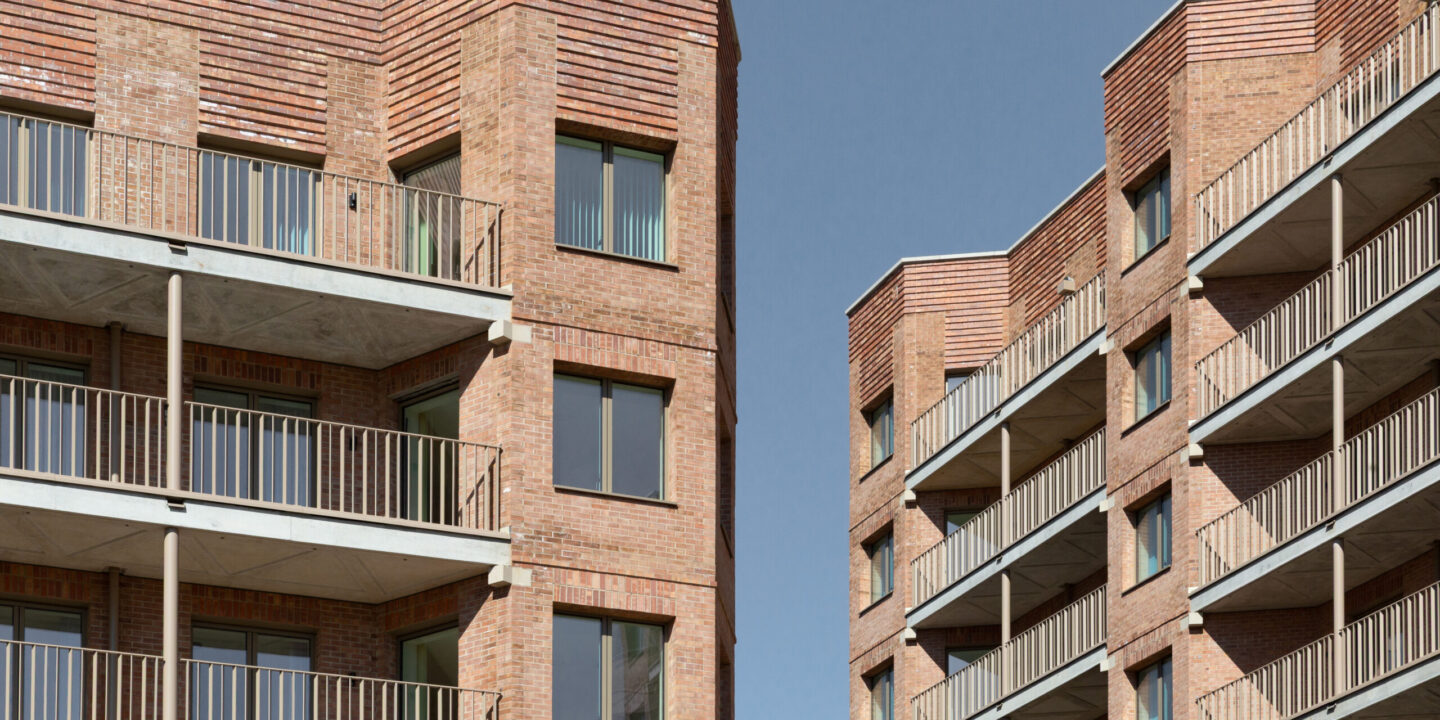
ECE Architecture
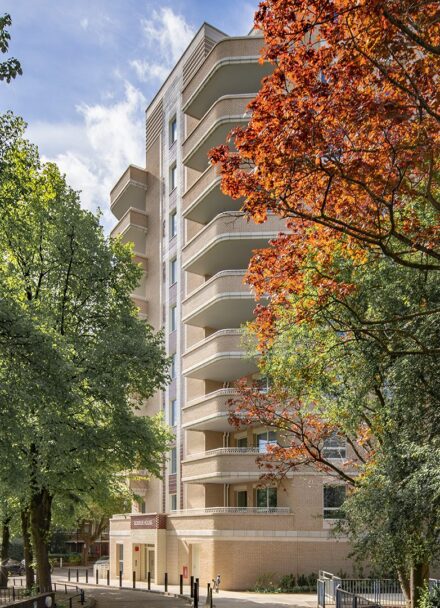
Delivering Passivhaus certification for 143 homes in Ealing, the first project for Ealing Borough Council to aim for this standard.
We were appointed to deliver the technical stages of Golf Links Estate Phase 3, working from the concept design by Stephen Taylor Architects.
Although originally designed as a Passivhaus scheme in the planning submission, internal unit layouts and utility cupboards were redesigned in Stage 5 to make the energy efficiency of these homes even greater. Accommodating an increasingly demanding regulatory landscape alongside Passivhaus certification, ECE therefore needed to achieve certification without compromising the concept design or project programme.
Image credit: Han Wang (above).
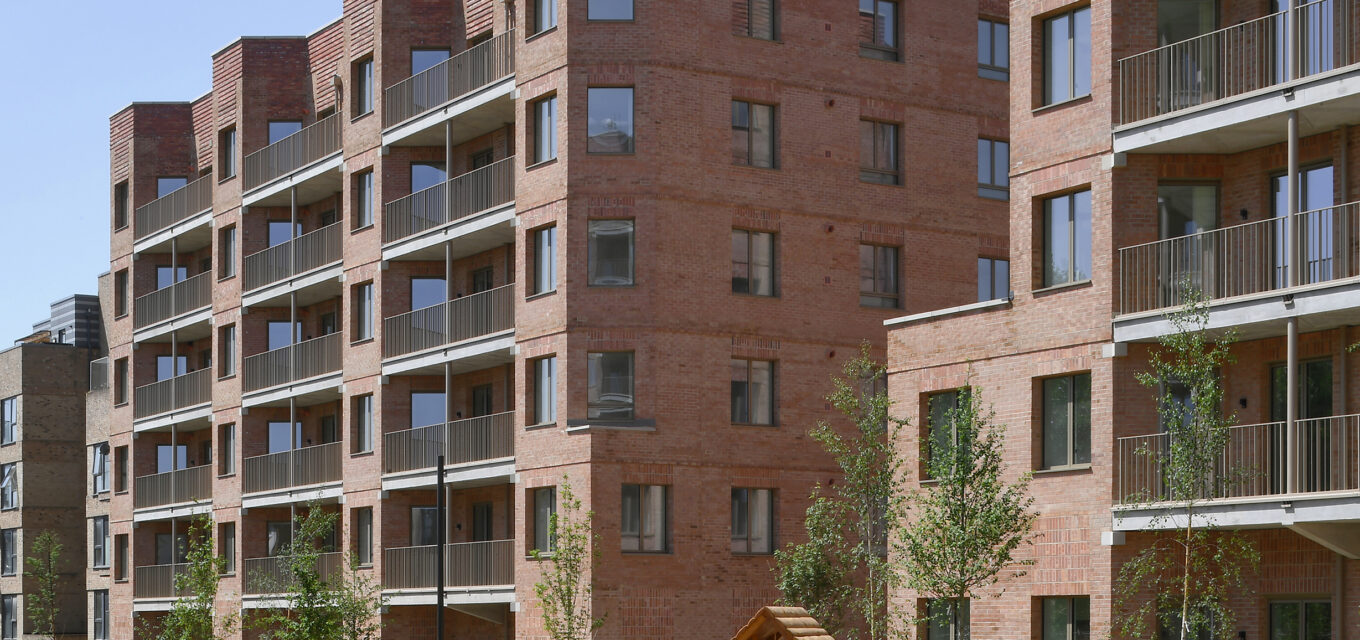
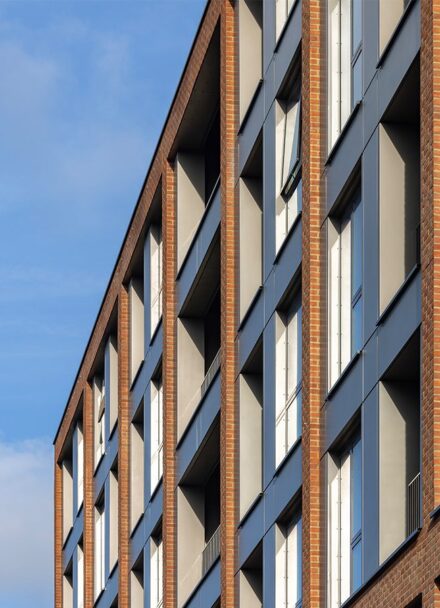
Image credit: David Grandorge
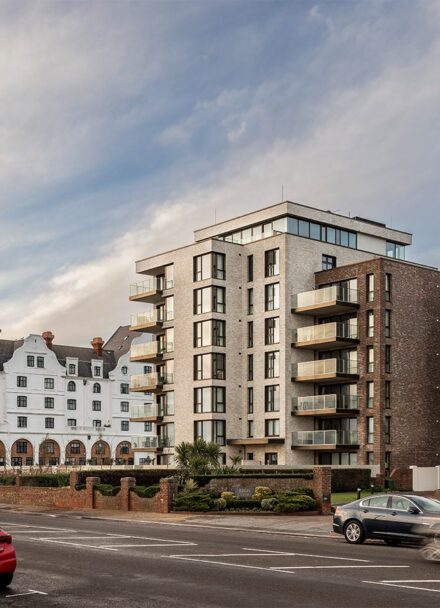
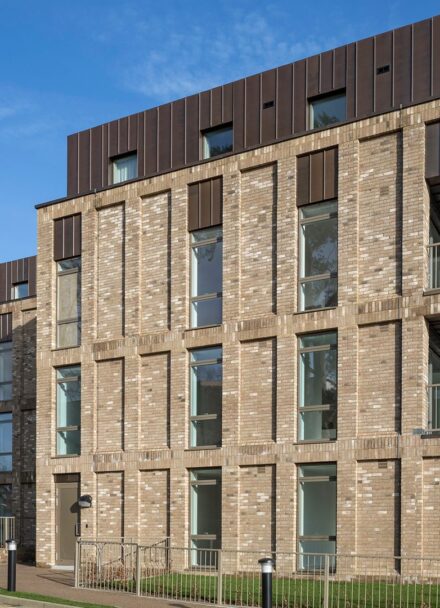
The scheme provides 143 new homes across three buildings, ranging from six to eight storeys, with a carefully balanced tenure mix including social rent, London Affordable Rent, Shared Ownership, and Shared Equity. But the inherited design presented significant obstacles. Floor-to-ceiling glazing, flat utility cupboards positioned centrally in floor plans, and a compromised building orientation all worked against Passivhaus principles. These weren’t small adjustments – they required a fundamental internal review whilst respecting the approved planning consent and keeping the project moving forward, whilst we worked within stages 3-5 and the project was under construction.
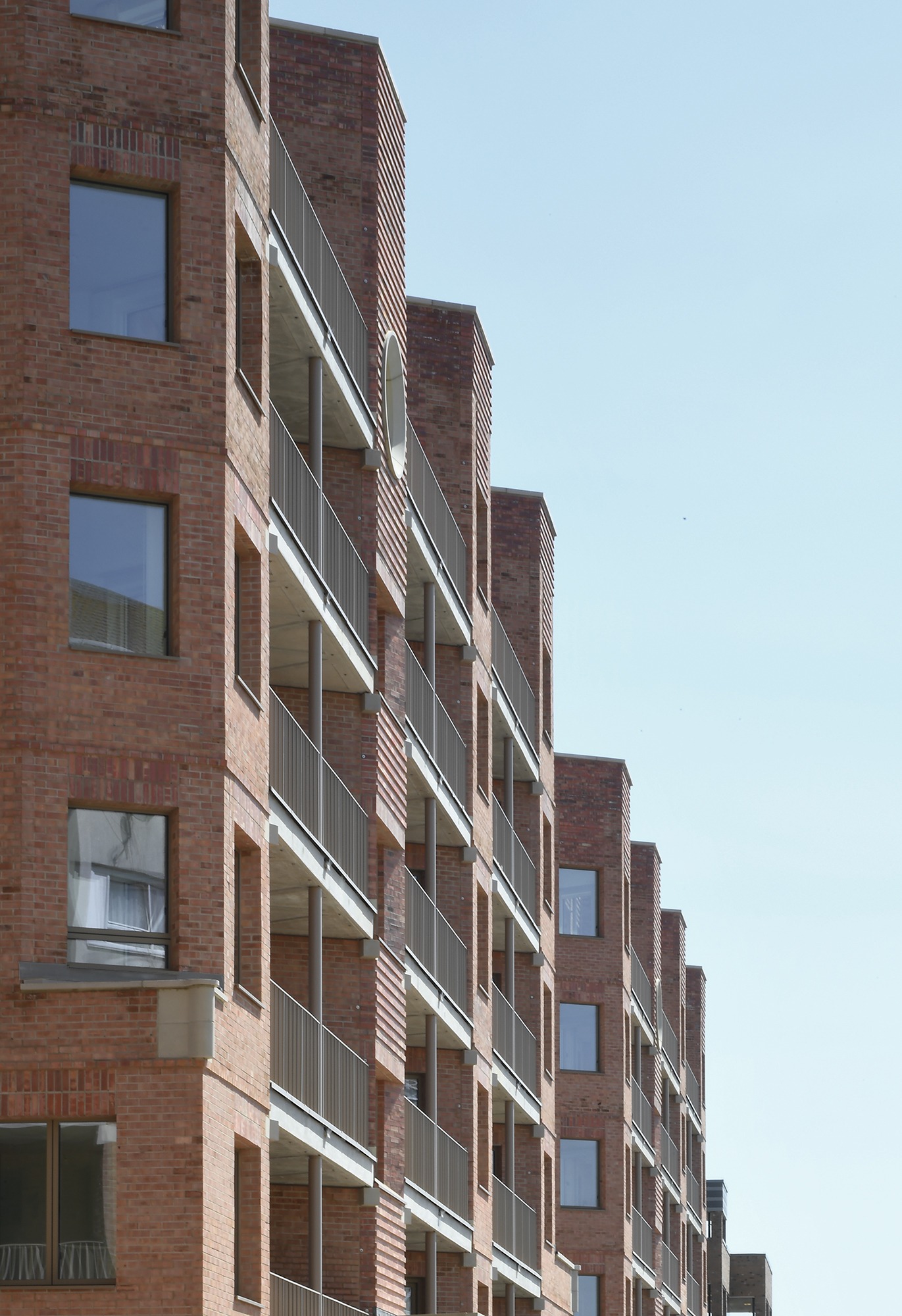
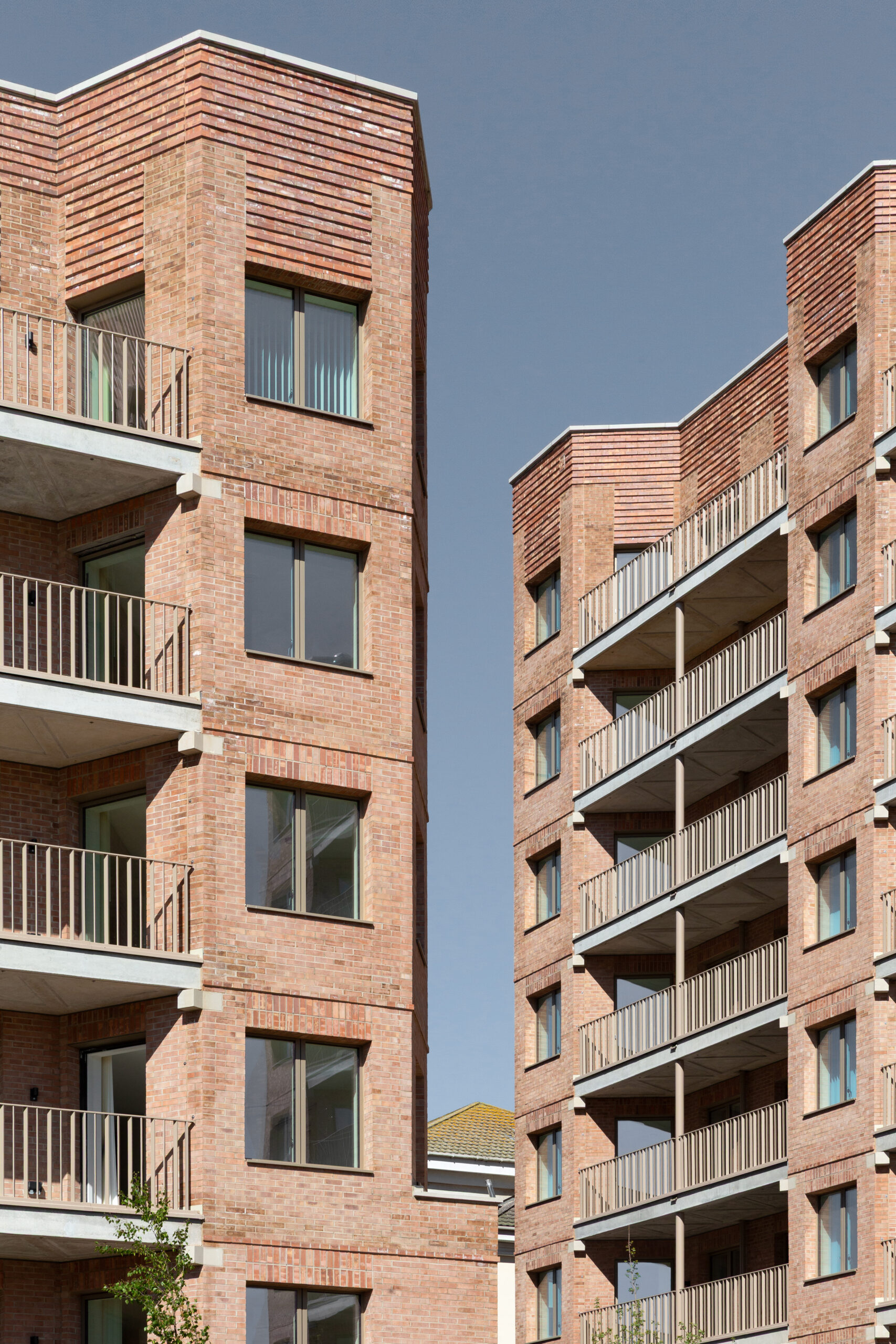
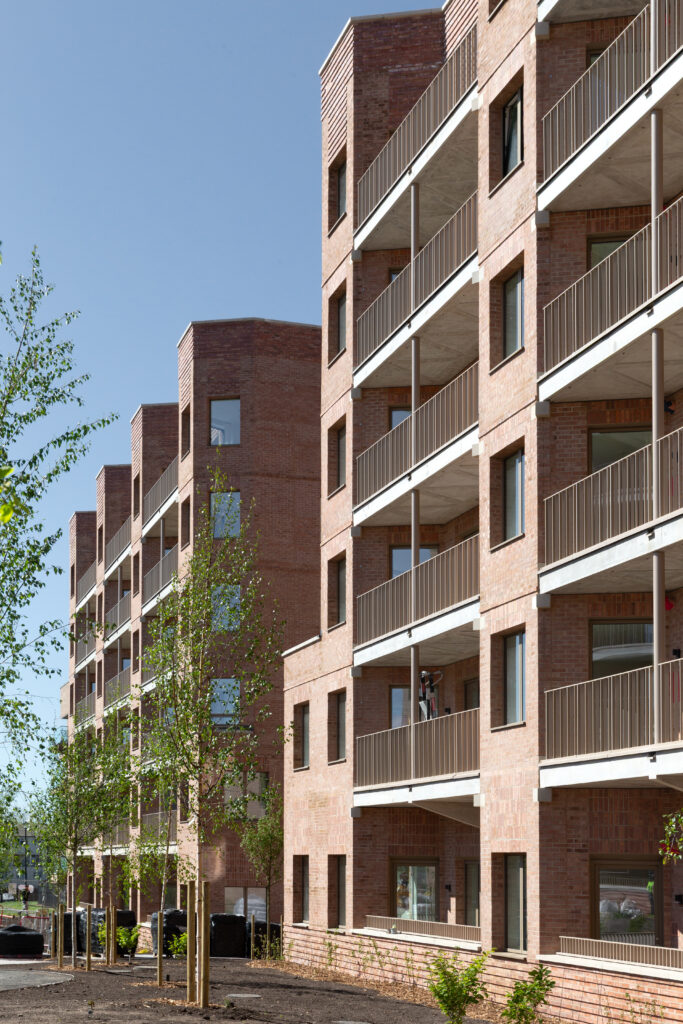
Image credits: David Grandorge (left), Han Wang (middle and right).
Converting a Stage 3/4 design to meet the Passivhaus standard brought technical complexities we needed to resolve quickly. MVHR systems required substantially larger ducting and equipment than originally allowed for, forcing us to redesign spaces to accommodate a larger additional store. Airtightness demands meant introducing additional membranes, tapes, and coatings – specifications that required careful client conversations around cost implications. Meanwhile, ensuring continuity of building knowledge and maintaining drawing accuracy throughout the transition threatened both certification and the programme. Every decision needed to balance technical rigour with practical delivery.
Our solution lay in the strength of our integrated team. By providing both architectural and Passivhaus design services in-house, we created seamless coordination that’s rarely possible when these disciplines sit separately. When site issues emerged – such as material availability – our architectural and Passivhaus specialists could discuss solutions internally and respond immediately. This internal dialogue gave our client confidence that the advice was clear, coordinated, and focused on achieving the performance targets that matter. It’s this collaborative approach, working cooperatively day-to-day within ECE, that transformed Passivhaus from a certification challenge into a deliverable reality.
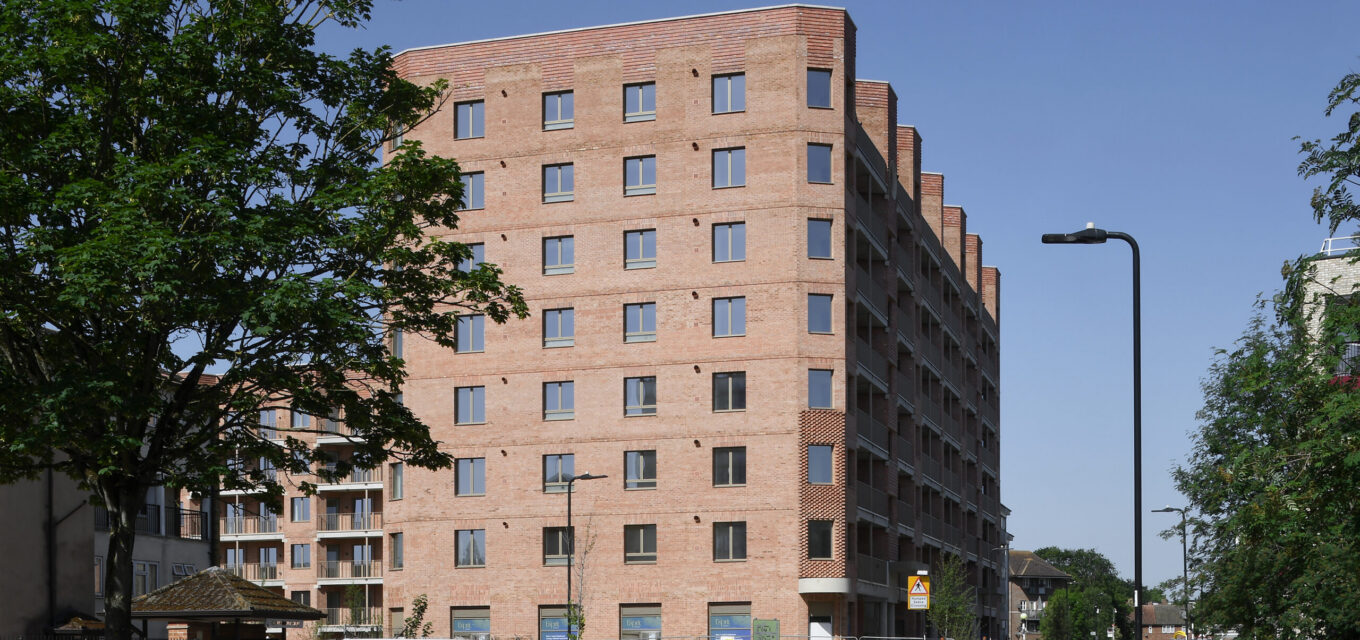
Image credit: David Grandorge
We are working closely with the developer and wider project team to clarify Passivhaus requirements, setting clear expectations and establishing the additional standards needed. Watching the entire team embrace these higher benchmarks and rise to meet them has been rewarding. Their commitment to delivering a building worthy of certification demonstrates what’s possible when everyone understands not just the ‘what’ but the ‘why’.
Higher-performing materials, windows and doors, along with a more airtight thermal envelope, result in a lower space heating demand, meaning drastically reduced maintenance and energy costs compared to older council homes. Golf Links Estate will provide Ealing Council with sustainable housing stock that delivers lasting value.
What next?
Discover how we bring our clients’ vision to life. Browse our work to see creative excellence paired with technical precision.