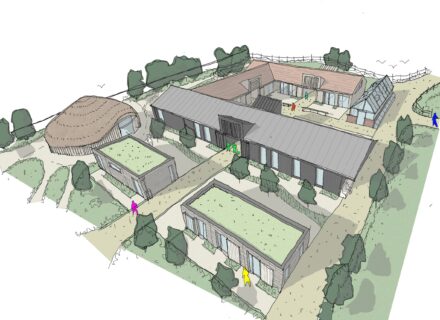
“Public understanding of architects is thin; value is poorly evidenced. Result: marginalisation and mistrust.” Prof. Flora Samuel
That line stings because it’s true. Too often, architects meet communities at the end of the design process with helpful boards but a take-it-or-leave-it offer. Then we wonder why the room is cold and the profession is struggling to feel valued.
Policy and practice both say the same thing: engage early and engage well to improve outcomes.
“Applications that can demonstrate early, proactive and effective engagement with the community should be looked on more favourably.” NPPF
At ECE Architecture, we’re building that into how we work, through our dedicated ECE Impact team, focused on driving meaningful change through three simple steps:
Engage • Involve • Evaluate
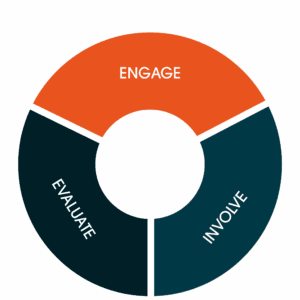
We can support clients early in the process. Not as an appendage to planning, but as a proactive offer from day one, helping to build better, add social value, and provide programming that supports post-occupancy value.
What this looks like in practice:
1) Engage (before the bid, not after the decision)
We build a fast, place-based portrait:
- Who lives here
- What they value
- How a scheme will touch daily lives and routines
- What opportunities exist to support innovative and meaningful social value initiatives?
All supported by data that turns generic promises into locally evidenced commitments and makes tenders and planning applications stronger (and more truthful).

2) Involve (during design and delivery)
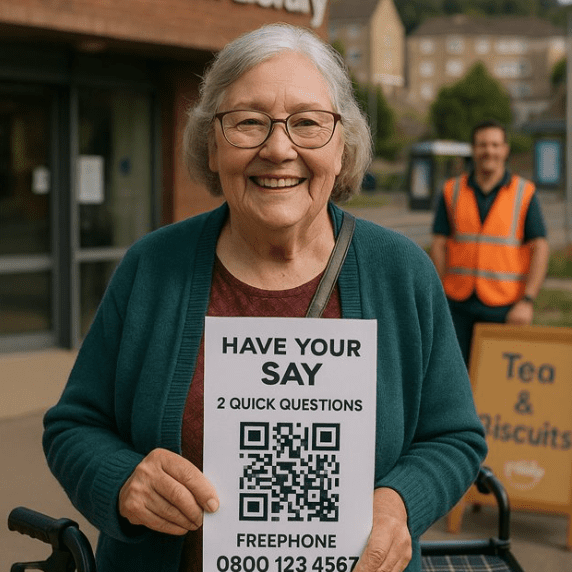
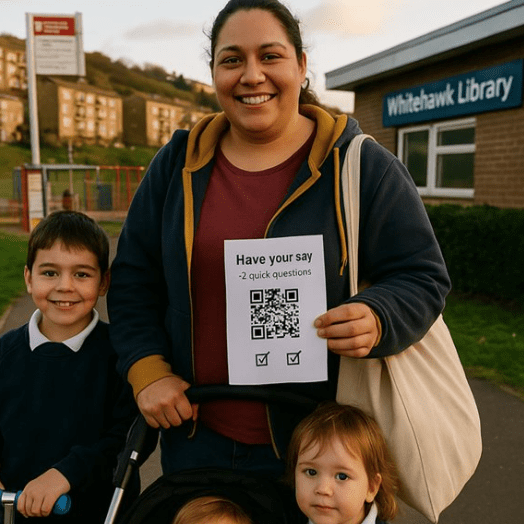
We co-create with the people who’ll actually use and live alongside the building with mini workshops, pop-ups, digital tools and events. The aim is agency and inclusion, not theatre. But it can be fun!.
When residents can see their fingerprints on outcomes, have a better understanding of the design process, the professions involved, and site/budget/planning restrictions, objections can turn to support, mobilisation is faster because relationships exist, and projects have a greater positive impact.
3) Evaluate (soft landings & POE)
If we set comfort, energy and usability targets at inception and then measure and learn from them, we stop trading in aspirations and start reporting evidence and improvement. This demonstrates value. Post-occupancy evaluation becomes a learning loop, not a box-tick: what worked, what didn’t, and what we’ll do differently next time.
Why this matters for clients and contractors
- De-risked programmes: fewer objections, clear logistics, trusted channels for updates and issue resolution.
- Higher bid scores: commitments linked to local need and recognised frameworks (like RIBA Social Value Toolkit).
- Lasting value: measured outcomes to support continuous learning.
- Better buildings built in response to people and place.
And for the profession?
This is how we step out of “thin understanding”: show the work, share the learning. Treat engagement as design research, not PR; publish the targets we set and the gaps we close. When communities feel informed, see how decisions are made, and can point to changes made because of their input, architecture becomes legible again.
As Flora Samuel argues, architects are marginalised when our value is invisible. We must evidence outcomes, not just intentions. This is where architects can lead: engage, involve, and evidence; integrating technical, spatial and civic know-how into a coherent public value case.
The good news? We’re here to help. Engagement doesn’t need perfect conditions. It’s bespoke and sometimes hard. Social value evolves with time and across generations; what matters is a proactive and accountable approach.
Learn more about ECE Impact and see how we can help you engage early.