The UK Net Zero Carbon Buildings Standard (UKNZCBS) Version 1 has officially launched, providing the UK’s first unified methodology for defining and verifying net zero carbon buildings across the construction and property sectors. This represents a significant milestone for the industry.
What the standard means
Until this launch, there was no single, agreed-upon definition of what “net zero” actually meant for buildings. The Standard addresses this by providing a free-to-access technical framework grounded in science-led modelling and building data, with requirements covering both embodied and operational carbon.
Who it affects
The Standard applies across multiple building types and project stages:
- New builds
- Major refurbishments
- Existing buildings
- Residential and commercial properties
- Healthcare, education, and data centre facilities
Sector-specific criteria have been developed for each property type and include flexibility for mixed-use or multi-tenanted projects with “landlord-only” or “tenant-only” verification possibilities in the commercial sector.
Currently, the Standard is voluntary, not mandatory. However, it is already being embraced by developers, investors, and clients serious about ESG requirements and UK carbon reduction goals.
Key considerations
- Carbon targets and scope
- Buildings must demonstrate compliance with carbon limits aligned with a 1.5°C global warming trajectory
- Measurement of embodied lifecycle carbon (upfront, in use and end of life carbon) at completion
- Operational data requirements
- Operational data from completed and occupied buildings
- On site renewable generation
- Performance tracking
- Annual verification to ensure performance continues to meet requirements.
- PC On Track annex for optional checks at practical completion to predict whether a building will meet carbon targets once fully operational.
- Timeline and verification process
- Formal verification services launching in Q2 2026
- Property owners and developers will appoint independent verifiers
- Verification can be completed following 12 months of operation
- Annual re-verification
- Associated costs
- Registration fee £500 + VAT
- Verification fee (administration & verifier fees) dependent on scale and complexity
Project design considerations
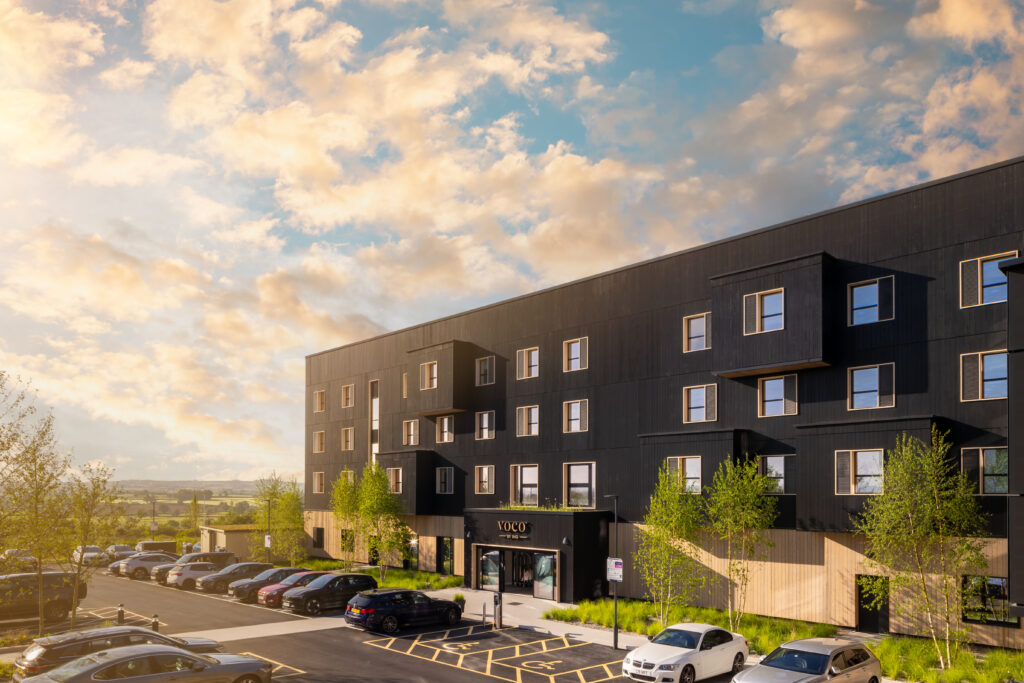
Building on pilot feedback from over 200 projects (including Westworks’ Zeal Hotel) tested since September 2024, the Standard includes practical guidance to make implementation clearer:
- Specifying carbon reduction strategies, verified through operational performance
- Planning for embodied carbon (materials and construction) and operational carbon (energy use)
- Documenting design decisions and technical evidence
ECE’s opinion
The UK construction industry has been crying out for a single, science-based definition of “Net Zero.” For too long, the term has been used loosely, leading to confusion and, occasionally, greenwashing. With the official launch of the UK Net Zero Carbon Buildings Standard (NZCBS), those days are coming to an end. Developed by a coalition of the industry’s leading bodies – including RIBA, RICS, CIBSE, LETI and the UKGBC – this standard is the benchmark that will define the value and viability of buildings for decades to come.
For our clients, this provides a benchmark during what is a significant period of policy evolution – from the recently published Future Homes Standard to the upcoming reforms to Energy Performance Certificates
In a market increasingly driven by ESG mandates and tenant demand for energy-efficient space, the NZCBS provides the clarity needed to protect asset values.
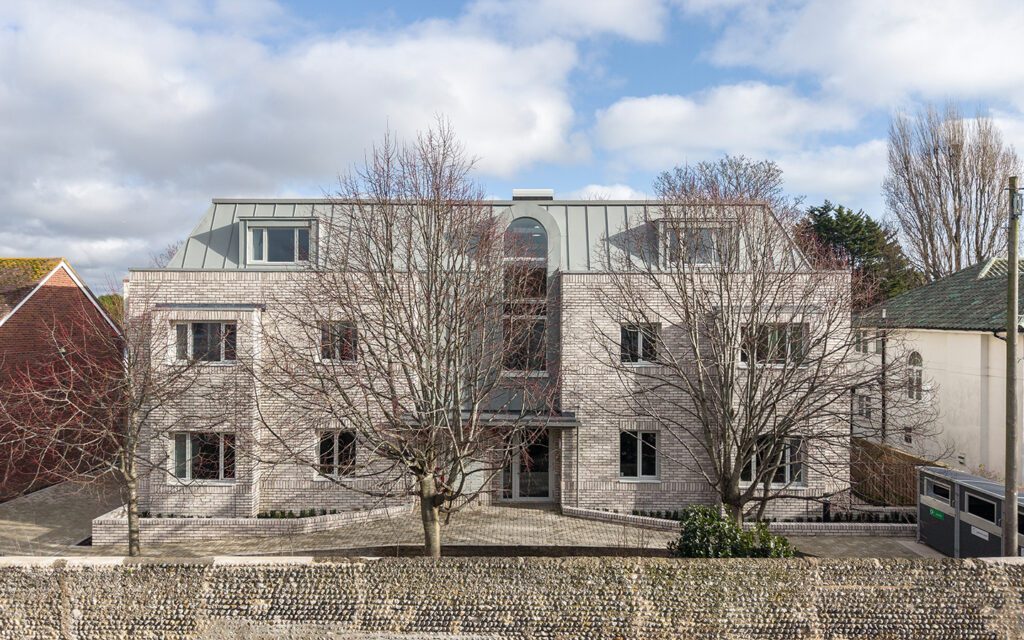
We are pleased that the Passivhaus Trust has confirmed that Passivhaus Plus certification is deemed to satisfy certain aspects of the standard, including operational energy, on-site renewables, and space heating. By choosing a Passivhaus route, our clients are doing more than “ticking a box.” They are investing in buildings that provide unparalleled occupant health, significantly lower operational energy costs, and most importantly, the certainty that their building will perform as designed.
The NZCBS rightly shifts the focus from theoretical design models to actual, in-use performance. This is where the industry often fails – the infamous “performance gap.” Through our rigorous in-house Passivhaus design processes and our commitment to Post-Occupancy Evaluation (POE), we don’t just design buildings; we prove how they perform. By bridging the gap between commissioning and reality, our services can provide our clients with the evidence required for the ongoing monitoring and re-verification demanded by the new standard.
At ECE Architecture, we are already embedding principles of the NZCBS into our projects.
We invite our clients to look forward with us, and toward the long-term resilience of their portfolios.
Let’s build for the future.
Frequently asked questions
No, it’s voluntary, but is expected to become the industry benchmark, with other existing benchmarks such as RIBA 2030 Challenge falling into alignment.
Passivhaus covers one of the hardest parts of the standard, demonstrating energy usage through a tried and tested verification process.
It is the difference between what a building should do and what it actually does; the standard mandates data, not just promises.
Yes – verification of energy usage in the first year, with ongoing yearly re-verification.